How to Properly Clean Your Fish Tank
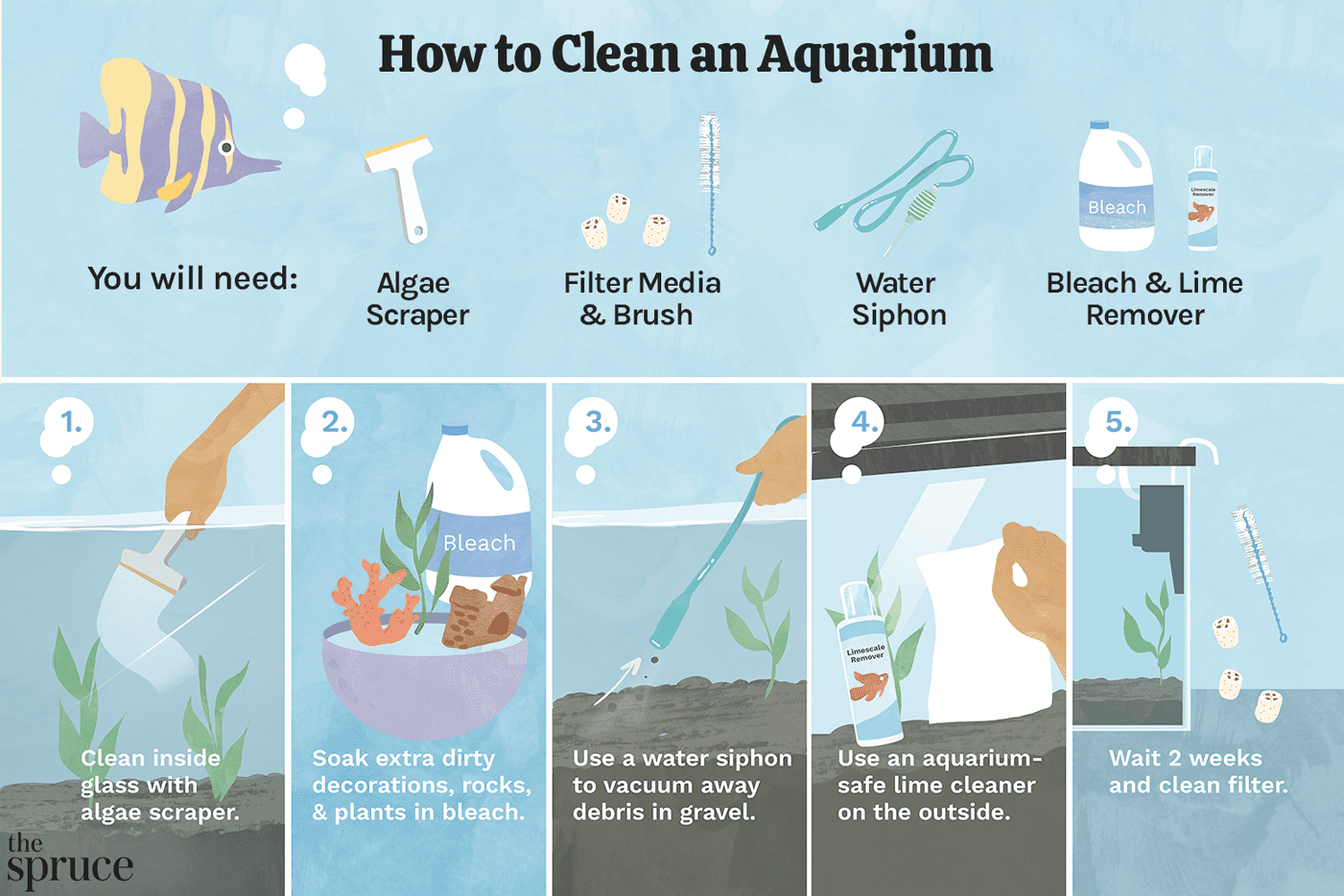
Regular cleaning is crucial for keeping your fish healthy and ensuring a balanced aquatic ecosystem. Without proper maintenance, toxins such as ammonia, nitrites, and nitrates can accumulate in the water, harming your fish. Cleaning should be done in a way that preserves the beneficial bacteria needed for a stable environment. It’s essential to clean the tank without using soap or harmful chemicals, as residues can be toxic to fish. Instead, use an aquarium safe scrubber to remove algae from the glass. The substrate should also be vacuumed regularly to remove uneaten food and waste.
A proper cleaning routine involves partial water changes rather than completely replacing the water, which can cause shock and stress to fish. Aim to remove and replace 20-30% of the water every week using a siphon. The filter should also be rinsed in old tank water, not tap water, to maintain beneficial bacteria. Decorations and artificial plants should be cleaned with warm water to prevent algae buildup. After cleaning, always ensure the new water is treated with a dechlorinator to remove harmful chemicals before adding it back into the tank. Monitoring water parameters with a test kit is also essential to keep ammonia, pH, and nitrate levels stable. A clean and well-maintained tank not only improves the appearance of the aquarium but also keeps fish happier and healthier.